Chess to Problems
Chess openings as a window into decision architecture: what repertoire choices reveal about risk tolerance, complexity, and how I approach problems beyond the board.
People reveal valuable information through repeated decisions.
Ask someone if they’re risk tolerant, patient, or analytical and you’ll probably get the version of themselves they aspire to be. Give them a constrained environment where they have to make hundreds of decisions under pressure, and you’ll get something more honest.
For me, that environment is chess.
After enough games, your opening repertoire stops being a collection of memorized moves and starts becoming a style of problem solving. Every game begins with a choice. Do you want initiative or long-term pressure? Stability or imbalance? Do you simplify the position or intentionally make it more complicated? The accumulation of decisions, good or mediocre, will lead you to a position that is winning or losing… Extrapolate that to your own life if you wish.
The opening itself isn’t the interesting part. What is interesting is why you keep choosing it.
To visualize the relationship in my head: Chess openings lead to observable patterns which lead to a decision architecture and you can map that architecture to other domains.
Openings don’t define the entire problem solving approach. They expose stable preferences under a common set of constraints.
Dimensions
Instead of thinking about openings individually, I think it’s more useful to think about the dimensions they reveal.
| Chess Preference | What It May Reveal |
|---|---|
| Tactical vs Positional | Immediate opportunity vs delayed value |
| Sharp vs Solid | Risk tolerance |
| Open vs Closed | Comfort with complexity |
| Initiative vs Material | Short-term momentum vs accumulated advantage |
| Theory-heavy vs Flexible | Preparation vs adaptation |
| Simplification vs Complication | Error minimization vs upside seeking |
Granted, no single game tells you much, but years of consistent play does.
My Playstyle
If I had to summarize my own chess, I’d call myself an asymmetrical positional player.
That sounds contradictory at first. When people hear positional, they often imagine slow, quiet chess where tiny advantages accumulate over dozens of moves.
That’s not it.
I enjoy open positions. I like giving both players opportunities because I think complicated positions create more room for superior decision making and room for error. Rather than reducing uncertainty, I prefer environments where both sides have many candidate moves, many strategic ideas, and plenty of opportunities to make mistakes.
I want difficult positions where the quality of the decision matters more than memorized theory.
I’m rarely interested in sacrificing material simply because an engine says the attack works. Instead, I try to build positions where every tactical opportunity grows naturally from long-term strategic advantages. The tactics are a consequence of the position, not the objective.
That distinction probably says more about how I think than any individual opening ever could.
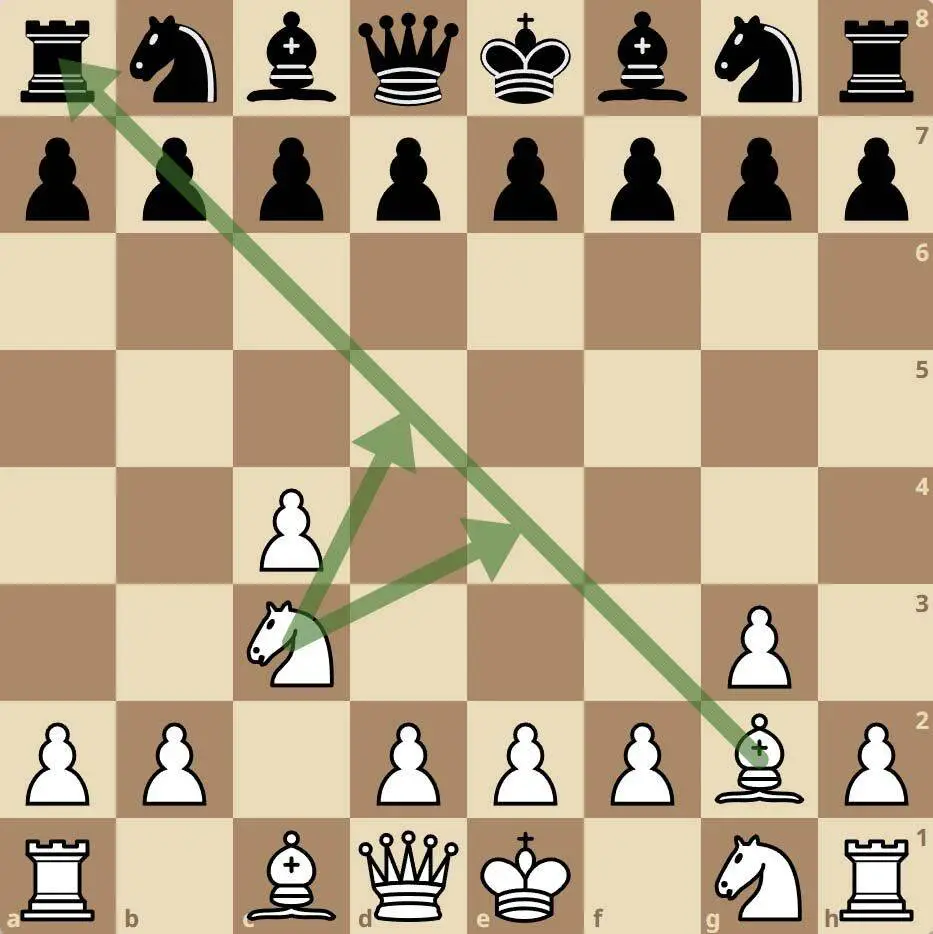
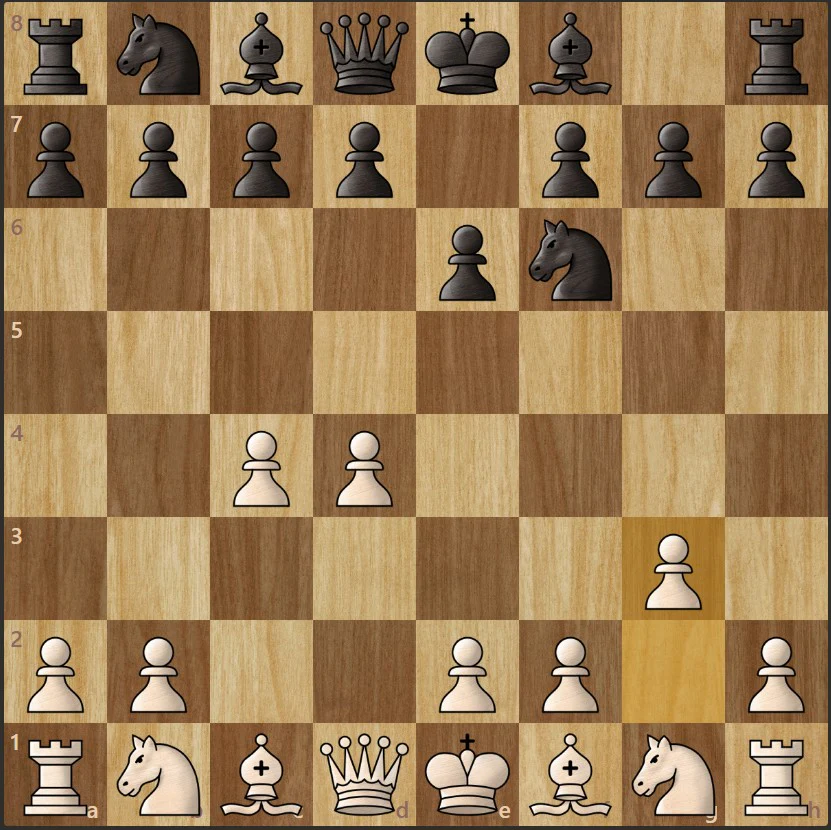
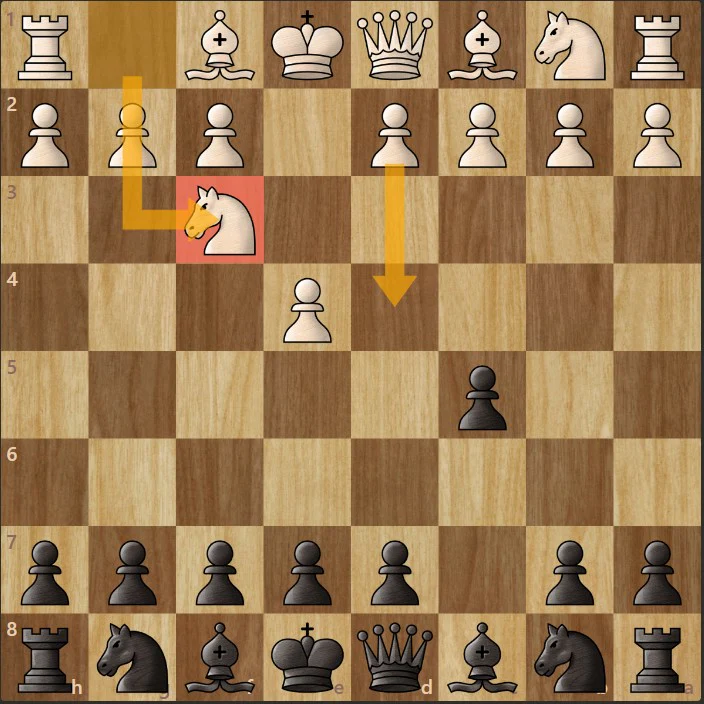
My preferred openings are the English/Catalan for white and the Sicilian/Indian defense for black.
Beyond Chess
I notice myself solving problems the same way outside of chess.
When I’m building models or applications, I build a simple MVP first, but I don’t usually search for the simplest possible solution. I look for representations that preserve optionality. I want systems that expose multiple paths forward rather than collapsing onto one answer.
When I think about investing or prediction markets, I’m less interested in finding certainty than I am in identifying situations where complexity has been mispriced.
If everyone understands the obvious line, I’d rather spend time understanding the unusual one.
When I’m building use cases, I gravitate toward architectures that are flexible enough to evolve instead of being perfectly optimized for today’s requirements.
In a nutshell: preserve optionality, embrace complexity when it creates leverage, and let better decisions separate themselves over time.